






Menopause Support
Menopause is a natural transition and the changes it brings are real. As oestrogen declines, your body becomes less efficient at building and holding onto muscle, bone density can fall more quickly, and restful sleep can become harder to find. The reassuring part: the right nutrition genuinely helps. This is a stage of life where protein, key minerals and a few targeted extras matter more than ever. We've brought together the products that help you feel strong, rested and like yourself through the change.
Explore the True Menopause Support Range
9 products
Menopause Support collection

-
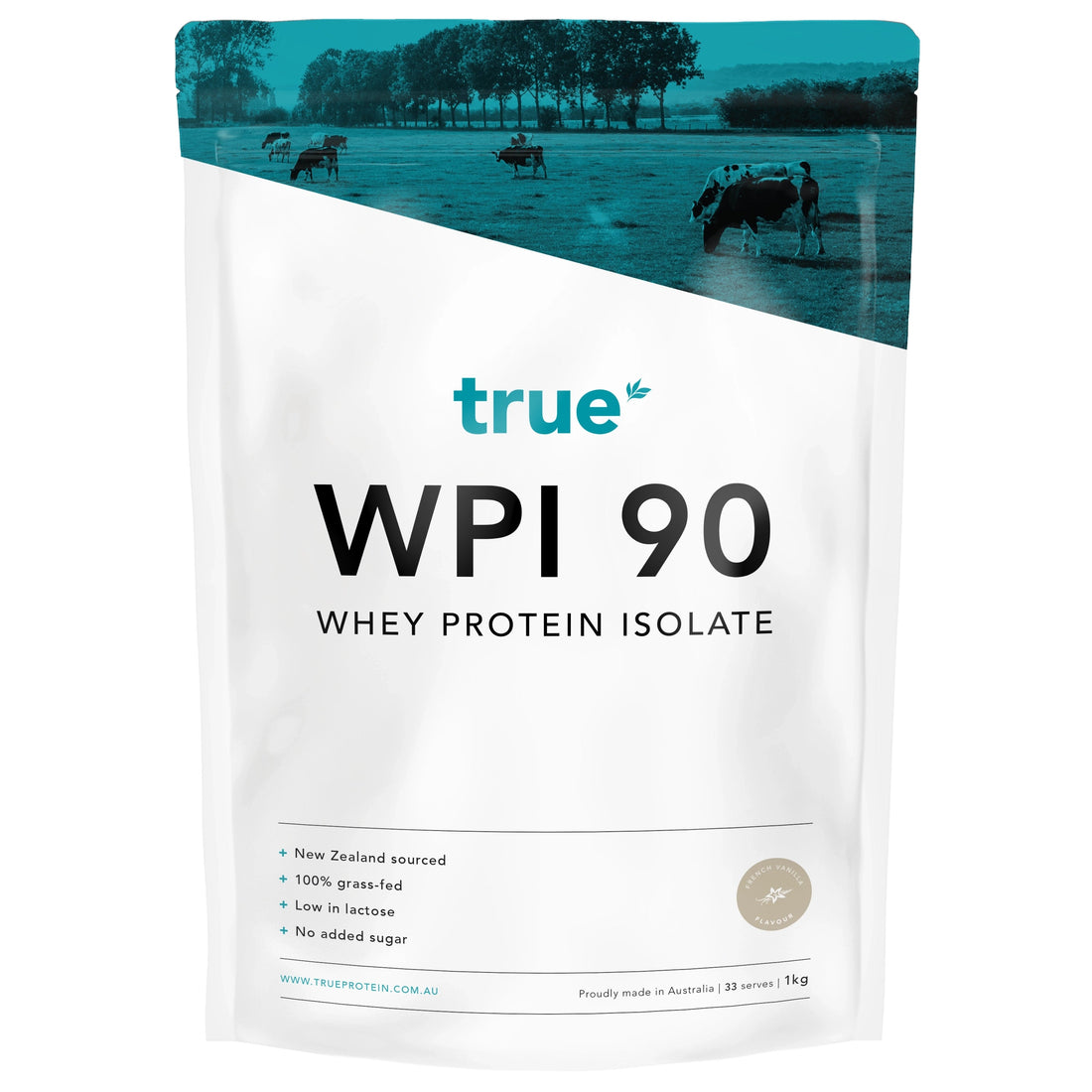
WPI 90
Our purest whey protein isolate for lean muscle
- Regular price
-
From
$48.00 - Regular price
-
- Sale price
-
From
$48.00
Quick buy Quick buy
-
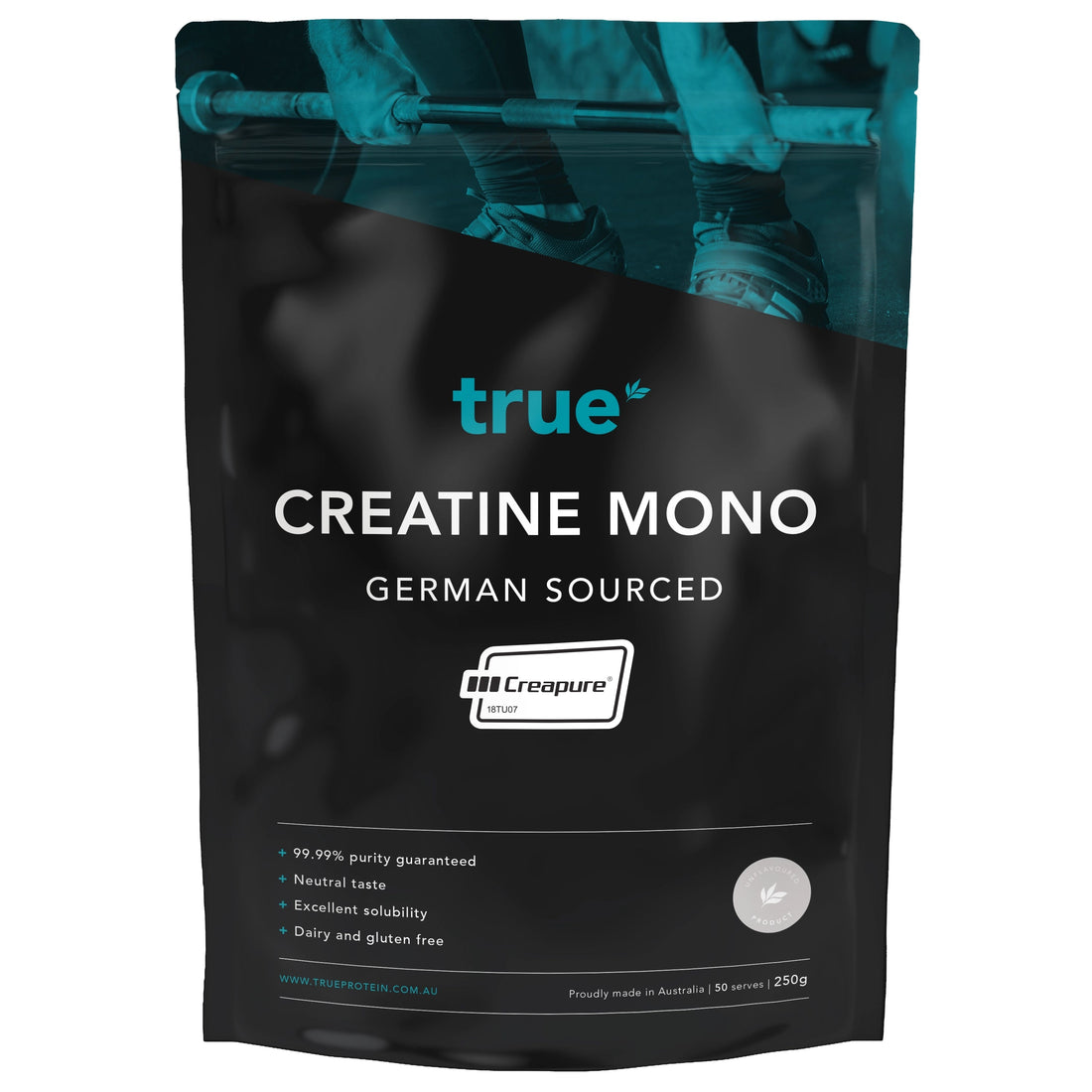
Creapure Creatine
Proven support for strength, power, and brain health
- Regular price
-
$50.00 - Regular price
-
- Sale price
-
$50.00
Quick buy Quick buy
-
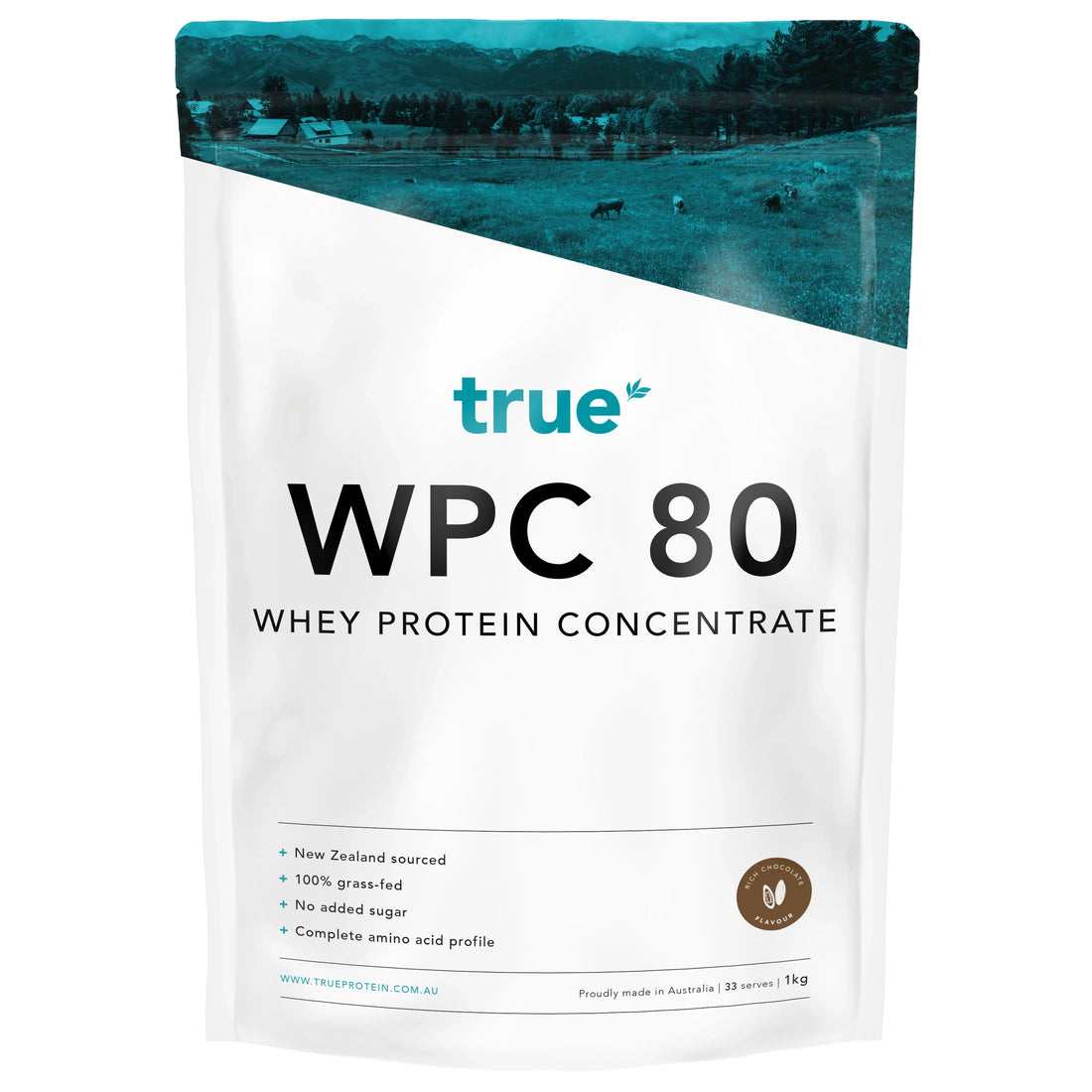
WPC 80
The foundational whey protein for daily muscle support
- Regular price
-
$78.00 - Regular price
-
- Sale price
-
$78.00
Quick buy Quick buy
-

Collagen
Hydrolysed peptides for skin, hair, nail, and joints
- Regular price
-
$48.00 - Regular price
-
- Sale price
-
$48.00
Quick buy Quick buy
-
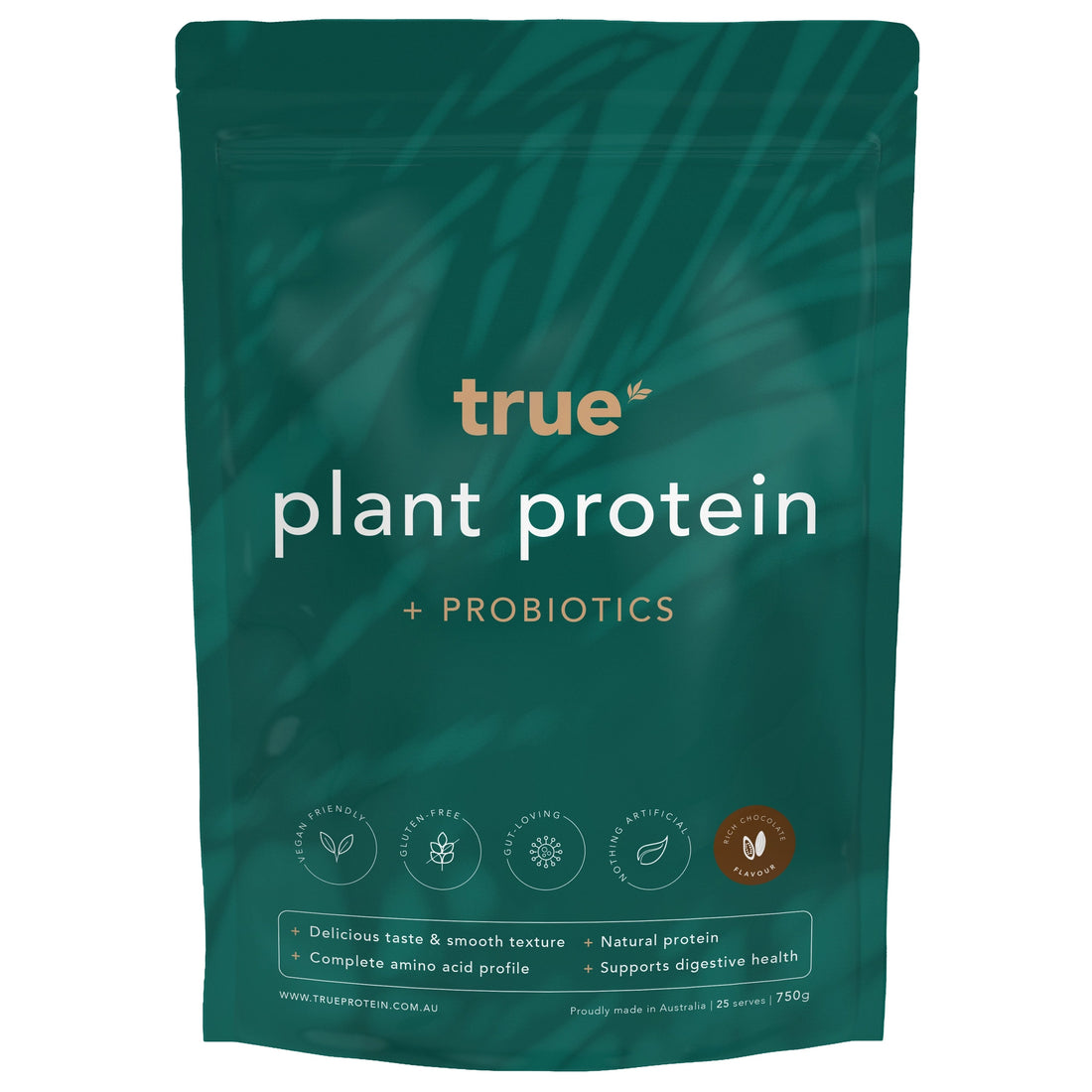
Plant Protein
A complete, smooth plant protein with digestive enzymes
- Regular price
-
$78.00 - Regular price
-
- Sale price
-
$78.00
Quick buy Quick buy
-
New

Creatine Mono
Pure, proven creatine for your everyday
- Regular price
-
$38.00 - Regular price
-
- Sale price
-
$38.00
Quick buy Quick buy
-
New Look

Magnesium+
4-in-1 Essential Vitamin and Mineral Formula
- Regular price
-
$50.00 - Regular price
-
- Sale price
-
$50.00
Quick buy Quick buy
-
New

Menopause Support Stack
Your daily foundation for strength, bone health & balance
View product- Regular price
-
$115.00 - Regular price
-
$136.00 - Sale price
-
$115.00
Quick buy


Why Choose True Protein for Menopause Nutrition
-

Maintain Muscle & Strength
-

Support Bone Health
-

Skin, Hair & Joints
-

Rest & Recovery


