We’ve all had those snacks that seem like a good idea at the time, only to find ourselves
searching the pantry again 20 minutes later.
A piece of fruit. A couple of rice crackers. The mini chocolate bar in the bowl in the office.
A quick coffee between meetings. They might take the edge off your hunger temporarily, but they don’t always have enough substance to keep you satisfied until your next meal… aka. a quick energy boost, followed by a hard crash, followed by another craving.
The good news is that building a more satiating snack doesn’t need to involve calorie
counting or complicated meal prep!! As a Clinical Nutritionist, one of the simplest snack
formulas I recommend is:
Protein + a fibre-rich carbohydrate + a healthy fat
You don’t necessarily need all three every time. However, combining at least a protein
source with a fibre-rich carbohydrate can turn a light snack into something much more
satisfying. You also get a slow sustained energy boost for much longer due to the fibre and fat slowing down the sugar entry into the cell to be used for energy.
Here’s how to put the formula into practice.
Start with protein
Protein is often the part missing from common snack foods.
Fruit, crackers, toast and muesli bars can all contribute carbohydrates and energy, but they may not keep you full for very long when they’re eaten alone. Adding a meaningful source of protein generally creates a more balanced and satisfying snack.
Protein is also required for much more than muscle building. Your body uses it to produce
enzymes, hormones and immune cells, as well as to repair and maintain tissues throughout the body.
Some convenient protein options include:
- A high-protein yoghurt, such as Chobani 15g Protein Greek Yoghurt or YoPro
- Cottage cheese
- Two boiled eggs
- A small tin of tuna in olive oil
- Roasted edamame
- Leftover shredded chicken or turkey
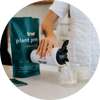
- A True Protein All Natural Protein Shake- 30g of complete dairy protein from ultrafiltered milk. It’s lactose-free, contains no added sugar and shelf stable before opening. So handy for those in between moments!!
Add a fibre-rich carbohydrate
Carbohydrates aren’t something we need to be afraid of. They provide an accessible source of energy and can be particularly helpful before or after exercise, during a busy workday or whenever there’s a long gap between meals.
The key is choosing carbohydrate foods that also provide fibre and nutrients.
Fibre adds bulk to food and can contribute to feelings of fullness, although the effect varies depending on the food and type of fibre. Fibre also supports regular bowel movements and feeds beneficial bacteria within the gut.
Fibre-rich carbohydrate options include:
- An apple, pear, banana, orange or punnet of berries
- Wholemeal toast
- Wholegrain crackers
- Rolled oats
- Carrot, cucumber or capsicum sticks
- Chickpeas lentils or beans
- Air-popped popcorn
- A small wholegrain wrap
Add a healthy fat
Healthy fats are the optional final part of the formula.
They can add flavour, texture and a little more staying power to your snack, particularly when you have several hours until your next meal.
Some easy options include:
- A small handful of almonds or walnuts
- One tablespoon of natural peanut butter
- Tahini
- Avocado
- Chia or hemp seeds
- Hommus
- Yoghurt doubles as protein and fat!
Easy snack combinations
Still not sure what to put together? Try one of these combinations.
1. True Protein Shake and a banana or apple
The shake provides the protein, while the banana/apple contributes carbohydrates and fibre.
This is a simple option after a workout, during your commute or when you’ve walked out the door without breakfast. For a larger snack, add a small handful of natural almonds.
2. True Protein Shake and wholegrain toast
Pair the shake with one slice of wholemeal bread + avo or peanut butter.
3. Protein Greek Yoghurt with berries and walnuts
Choose a YoPro or Chobani protein yoghurt and add fresh or frozen berries.
Top it with a small amount of walnuts or 1-2 chopped brazil nuts for healthy fats, selenium and crunch.
4. Cottage cheese on wholegrain toast
Top a slice of wholegrain toast with cottage cheese. If you want to make it fancy, add some tomato and cucumber or smoked salmon, cracked pepper or chilli flakes + dill. If you’re a sweet tooth, add sliced strawberries and cinnamon.
5. Tuna with wholegrain crackers
Pair a small tin of tuna in olive oil or water with wholegrain crackers. Add some sliced
cucumber or cherry tomatoes when you have them available.
6. Apple with peanut butter + 2 boiled eggs
It doesn’t need to be an exotic snack! Slice an apple and spread it with natural peanut butter!
The fruit provides carbohydrates and fibre, while the eggs contribute some protein and
healthy fats.
7. Hommus with vegetable sticks and boiled eggs
Pair some hummus with carrot, cucumber and capsicum sticks. Add two boiled eggs to
increase the protein and make it a more filling snack OR the True Protein Protein shake for an even more convenient option.
Does every snack need to be perfectly balanced?
Absolutely not.
Sometimes you may only want a piece of fruit. Sometimes you’ll have a coffee and move on with your day. You also don’t necessarily need a snack at all when your meals are keeping you comfortably full.
This formula is simply a useful tool for the times when you’re genuinely hungry and need
something to carry you through until your next meal.
It can be particularly helpful when:
- There’s more than three hours until your next meal
- You’re exercising before dinner
- You’re travelling or commuting
- You tend to arrive home ravenous and eat everything in sight
- Your current snacks never seem to satisfy you
- You’ve missed a meal and need a convenient backup
In Conclusion
A filling snack doesn’t need to be elaborate.
Start with a meaningful protein source, add a fibre-rich carbohydrate and include a small
amount of healthy fat when you need some extra fuel. Just watch how much LESS cravings you actually have when you use this combination. Snacking isn’t “bad” when it’s nutritious
and doesn’t keep you wanting more! Happy Snacking!
By Georgina Waugh
Clinical Nutritionist (BHSc Nut Med)
Wellbeing George Nutrition www.wellbeingeorge.com.au






 5 min read
