


Tired, foggy and not quite yourself lately? 5 small changes that can help women going through perimenopause
Broken sleep, low energy and brain fog are common in perimenopause. You may also be running low on magnesium, zinc or vitamin B6. Here are five small changes worth making, and how to top up.

Perimenopause typically begins around 47 in Australia and lasts four to six years on average, according to Jean Hailes for Women's Health. For some women it starts earlier or lasts longer.
You can't control every change it brings, but a few small habits can make everyday life feel more manageable. Your GP is the right person to talk to about symptoms and whether menopausal hormone therapy (MHT) suits you. Alongside that, here are five changes you can start this week.
Get into a regular sleep rhythm
Trouble sleeping and night sweats are both on the Jean Hailes perimenopause symptom checklist. When nights are broken, tiredness and foggy days tend to follow.
You can't control every night, but a steady routine gives sleep its best chance: the same wake-up time each day, a cool and dark bedroom, and less alcohol and caffeine in the afternoon and evening.
Try this
Pick a wake-up time you can keep on weekends too, and get outside in daylight within an hour of waking.
Eat more foods rich in magnesium and B6
Tiredness is on the same checklist. Your energy comes from food, and some nutrients do more of the work than others.
Magnesium contributes to a reduction of tiredness and fatigue, and so does vitamin B6. Both also contribute to normal energy metabolism, which is how your body turns food into energy.
Magnesium is the one many women miss. In the Australian Health Survey, about one in three women aged 31 to 50 didn't get enough from food (2011–12 data).
Try this
Add a small handful of nuts or seeds to breakfast, and a serve of legumes to one meal a day. If you feel very tired most days, ask your GP to check your iron, because heavier periods during perimenopause can lower it.
Lighten the mental load on a foggy brain
Brain fog and forgetfulness are common in perimenopause. Losing a word mid-sentence, or walking into a room and forgetting why, can be unsettling, especially at work.
Small systems help. Keep one running list, give your keys and glasses a fixed spot, and save demanding tasks for the time of day you feel sharpest. Doing one thing at a time is easier than juggling several.
Nutrients play a part in how your brain works day to day. Zinc contributes to normal cognitive function, and magnesium and vitamin B6 contribute to normal psychological function. They won't clear brain fog on their own, so if it's affecting work or daily life, raise it with your GP.
Try this
Choose one place for the things you misplace most, and use it every time for a week.
Add strength training to your week
Oestrogen helps keep bones strong, so bone loss tends to speed up in the years around menopause. Strength and impact exercise is one of the most useful things you can do about it. In Australia's LIFTMOR trial, supervised high-intensity resistance and impact training improved bone density and physical function in postmenopausal women with low bone mass.
Zinc and magnesium play a supporting role. Zinc contributes to the maintenance of normal bones. Magnesium is necessary for normal nerve and muscle function, and for teeth and bone structure.
Try this
Start with two short strength sessions a week. A qualified coach or exercise physiologist can set a safe starting point, and your GP can tell you whether a bone health check suits you.
Keep a symptom diary for your GP
During perimenopause, oestrogen and progesterone swing up and down rather than falling steadily. That's why one month can feel quite different from the next, and why you might not feel quite yourself.
Vitamin B6 contributes to the regulation of hormonal activity. It won't stop perimenopause or ease its symptoms, and it isn't a replacement for MHT. Your GP can talk you through the options that suit you.
Hair and nails can change too. Jean Hailes lists hair thinning among perimenopause symptoms, and zinc contributes to the maintenance of normal hair and nails.
Hair loss has many possible causes, including low iron and thyroid changes. If it's sudden or patchy, see your GP.
Try this
For two or three months, jot down your cycle, sleep, energy and mood each day. Take it to your next GP appointment.
What these nutrients can and can't do
What they do: magnesium and vitamin B6 contribute to the reduction of tiredness and fatigue, and to normal psychological function. Vitamin B6 contributes to the regulation of hormonal activity. Zinc contributes to normal cognitive function and the maintenance of normal bones, hair and nails.
What they don't do: they don't treat perimenopause or menopause symptoms, including brain fog, hot flushes and sleep problems. They don't replace MHT, a steady sleep routine, a varied diet or strength training.

Magnesium, zinc and B6 in one daily drink
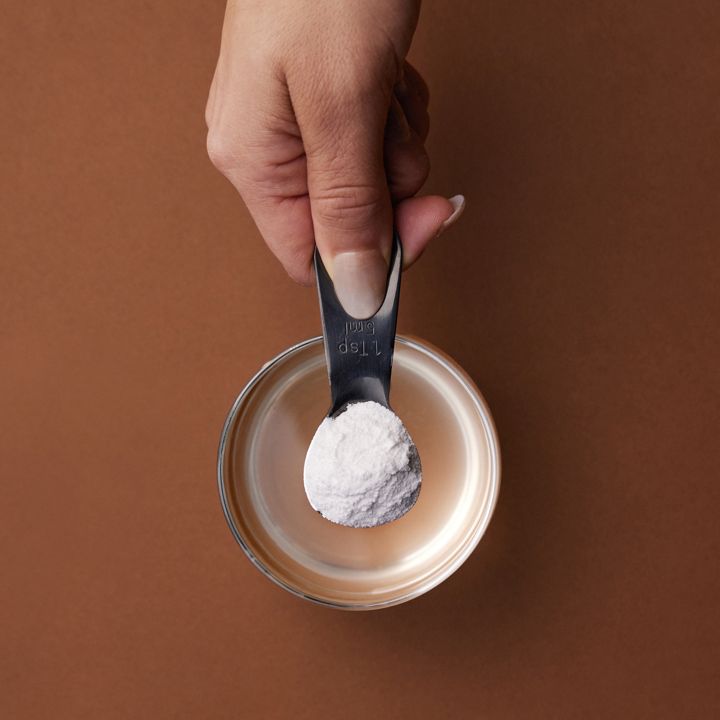
If topping up through food is hard in a busy week, True Magnesium+ is a flavoured powder you mix with water. One 5g serve gives you:
- Magnesium (citrate)422mg · 132% RDI
- Zinc (gluconate)12mg · 101% RDI
- Vitamin B61mg · 62% RDI
- Glutamine1,000mg
Mix 1 level teaspoon (5g) into 200ml of cold water, once a day. It comes in Lemon Burst, Blood Orange, Pineapple and Natural, sweetened with stevia and thaumatin, with no added sugar.
“I love the taste and performance of this magnesium (and I’ve tried quite a few over the years!) I drink it daily in water, have only ever tried the pineapple flavour. Like they say, if it’s not broken…”
“Love my magnesium powder every evening. I serve it up in a large glass with lots of ice. It a real treat :)”
$50 for 250g, 50 serves
Not ready to commit to a full bag? Try a sample first
A single 5g sample in Blood Orange or Pineapple is $3. The 250g pouch is $50.
Frequently Asked Questions
Will Magnesium+ help with brain fog or other perimenopause symptoms?
No. Magnesium+ isn't a treatment for perimenopause or menopause symptoms, including brain fog. Its magnesium, zinc and vitamin B6 support everyday functions, such as energy metabolism, normal psychological function and normal bones. For symptoms, talk to your GP about your options, including MHT.
Can I take it with MHT or other medication?
Check with your GP or pharmacist first. Magnesium can affect how well some medicines are absorbed, including certain antibiotics and osteoporosis medicines, so timing may matter.
Is 1mg of vitamin B6 a lot?
One serve has 1mg, which is 62% of the recommended dietary intake. That's a small amount compared with many B6 supplements. B6 is also in many multivitamins, B-complexes and magnesium products, so if you take more than one, add up the B6 on each label.
When should I take it?
Whenever suits your routine. Mix 5g into 200ml of cold water and have no more than one serve a day.
Do I need it if I already eat well?
A varied diet with leafy greens, nuts, seeds, legumes and wholegrains covers a lot. Magnesium+ gives you a consistent daily amount of magnesium, zinc and B6 for the weeks when your meals vary.
What is the glutamine for?
Glutamine is an amino acid in the formula. There's no approved health claim for it, so we don't make one.
Is it vegan and gluten-free?
Yes. Magnesium+ is suitable for vegetarians and vegans, has no added sugar and no gluten detected. It's made in a facility that also handles dairy and nuts.
New to True?
Get exclusive offers, sales and nutrition tips in your inbox.
By signing up you agree to receive emails from True Protein. Unsubscribe anytime. See our privacy policy.